From classical marble statues to modern garden sculptures, marble has been one of the most admired sculptural materials for thousands of years — producing some of the most iconic works in human history. But creating a high-quality marble sculpture involves far more than simply carving stone.
Creating a beautiful natural marble sculpture involves multiple stages of carving, refining, sanding, and finishing. In addition to the carving process itself, material selection and proper protection also play an important role in determining the quality and longevity of the sculpture.
In this guide, we walk through every stage of the marble sculpture-making process and explain how each step affects the beauty, durability, and value of the finished piece. Whether you’re commissioning a custom sculpture or evaluating quality as a buyer, learning the marble sculpture creation process will help you know the quality better.
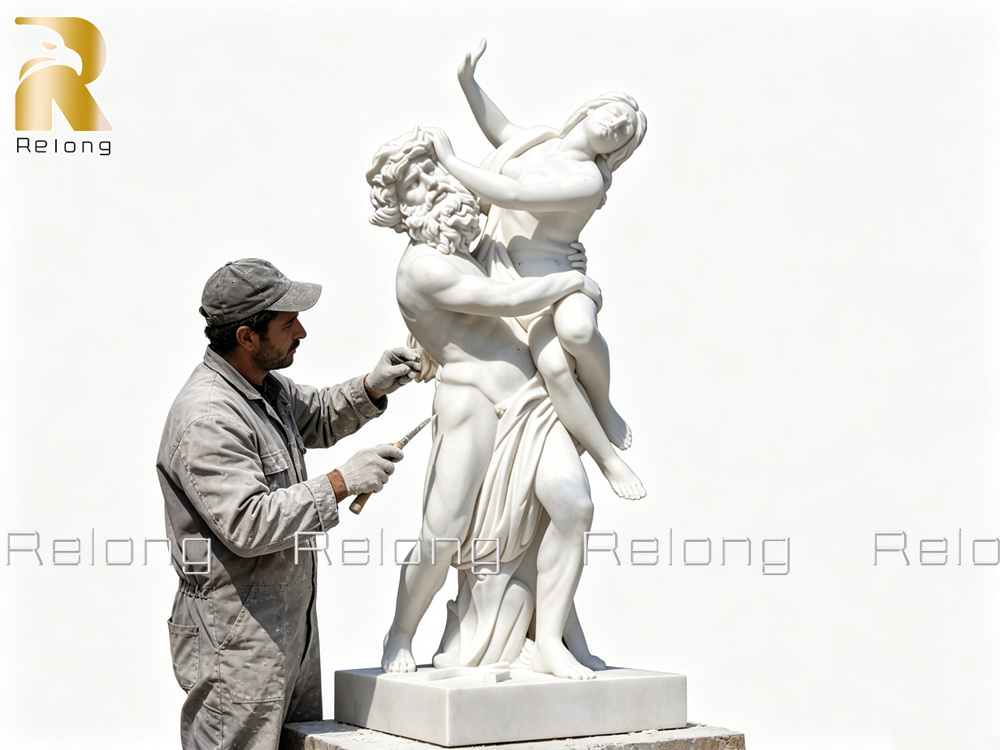
Determine the Design and Details of the Marble Sculpture:
Before production begins, the design, dimensions, and artistic details of the sculpture must be finalized. This step also helps determine the most suitable marble material.
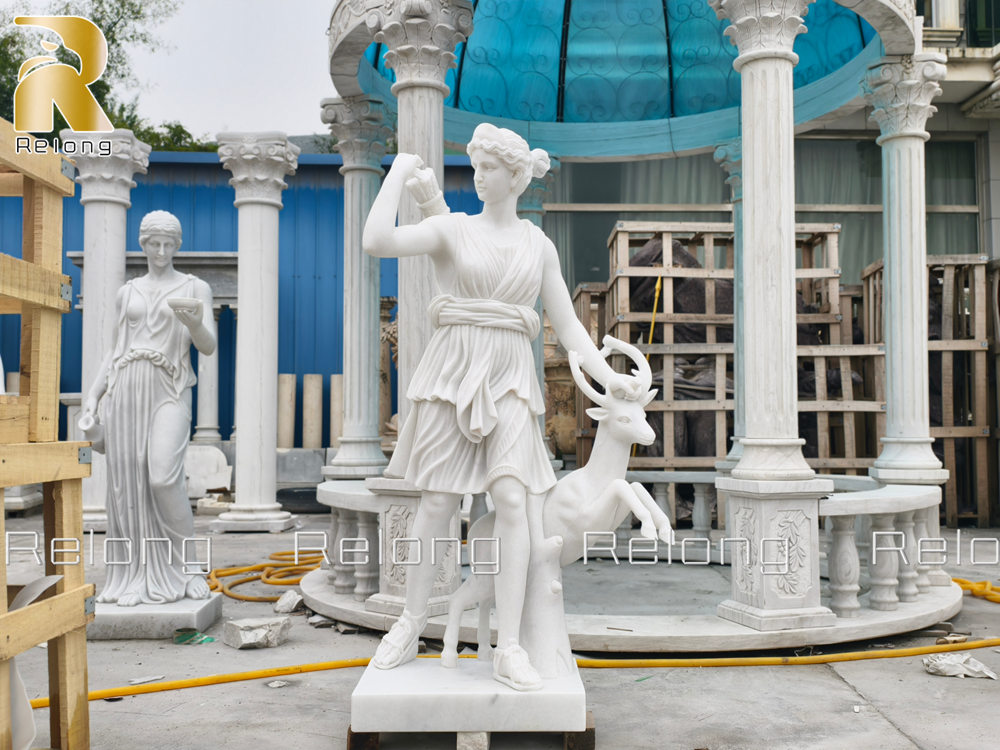
For example, most marble figure sculptures and animal sculptures are carved from a single block of marble. Highly detailed sculptures often require marble with fewer natural veins to achieve a cleaner and more elegant appearance.
Selecting the Marble Block and Cutting the Rough Stone
The appropriate marble block is selected according to the sculpture’s size and design requirements. Each block is carefully inspected for cracks, cavities, excessive veining, or structural defects.
After inspection, the stone is cut into a rough blank slightly larger than the final sculpture, leaving sufficient material for carving and refinement.
Because marble is a natural material, its color, veining, and characteristics cannot be changed. Selecting the right marble is one of the most important steps in the entire process.
Rough Carving — Shaping the Basic Form
This is the first major carving stage. Large sections of unnecessary stone are removed to establish the sculpture’s overall shape, proportions, and volume.
The focus at this stage is on creating the sculpture’s basic structure rather than details.
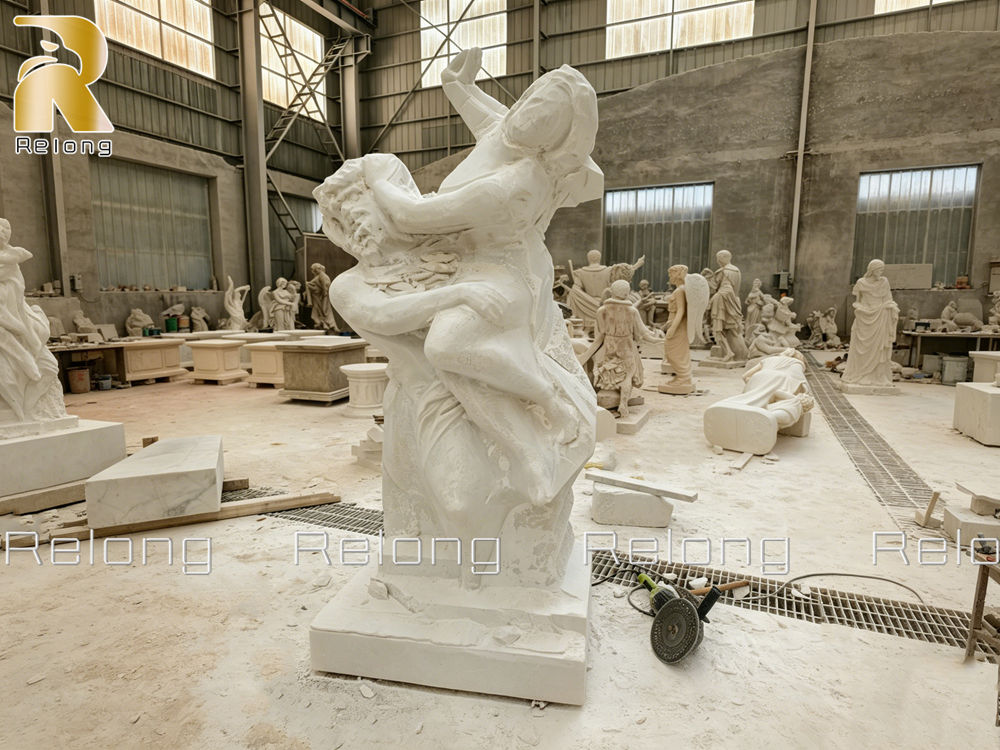
Secondary Carving — Refining the Intermediate Form
During this stage, sculptors refine the rough form and improve the proportions.
Major features such as facial planes, body contours, drapery folds, and decorative elements begin to emerge, transforming the sculpture into a recognizable artwork.
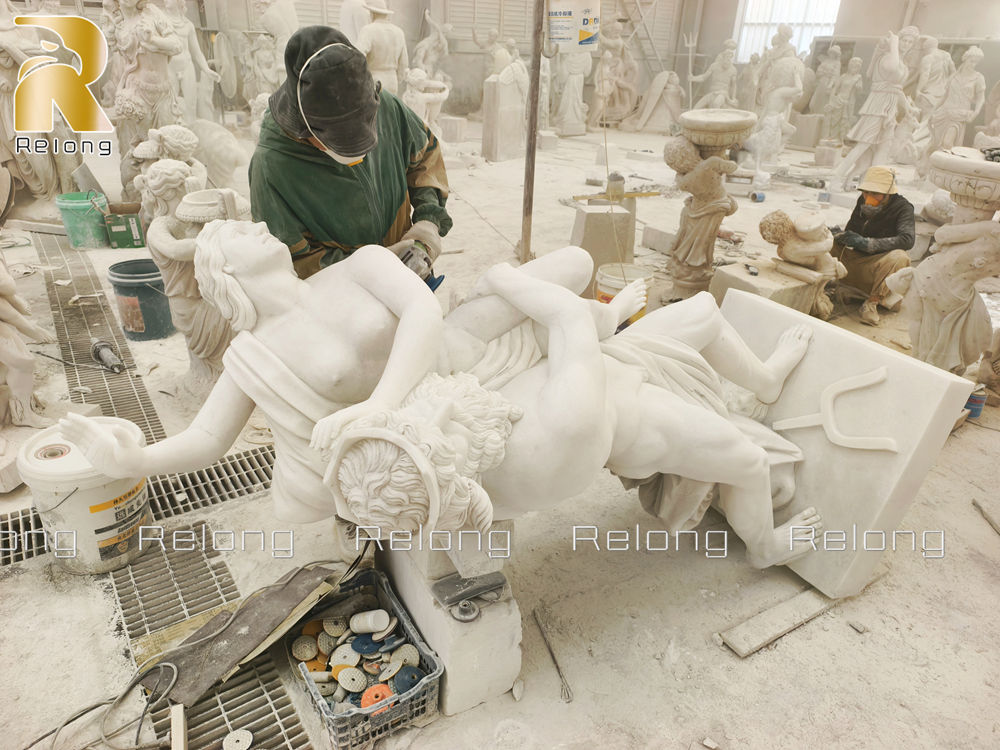
Fine Carving — Creating Details and Artistic Expression
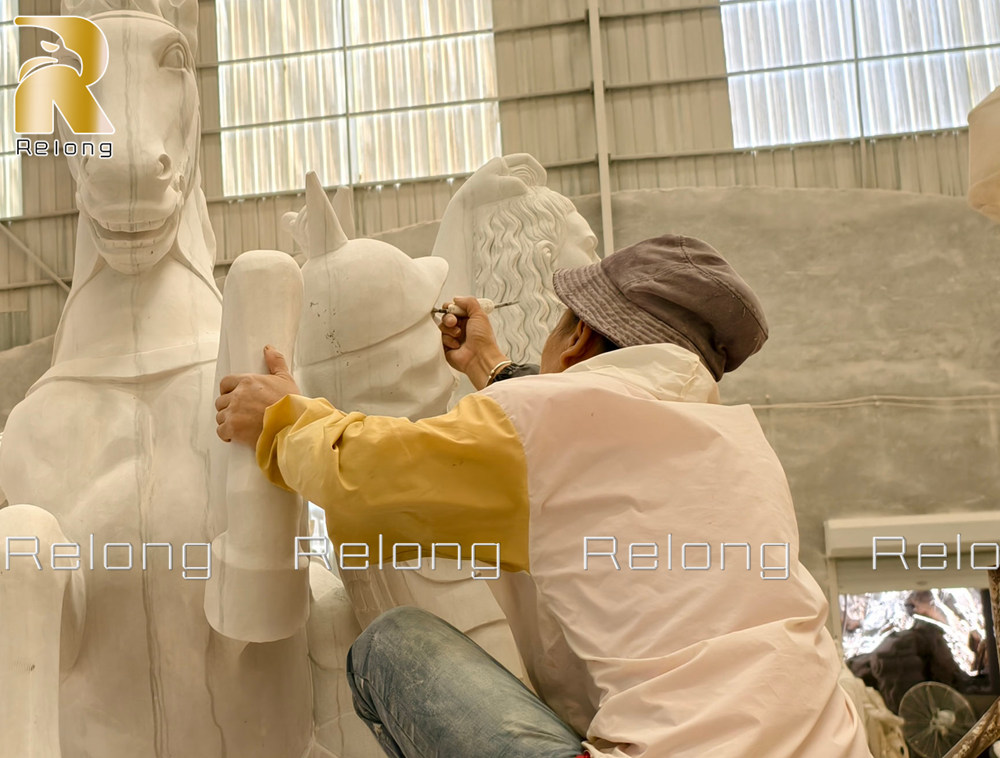
This is where the sculpture truly comes to life. Using small burins, rifflers, and rotary tools, sculptors complete facial expressions, eyes, hair, fingers, and fine textile folds. This stage gives the piece its personality, realism, and artistic value — and machines cannot replicate it.
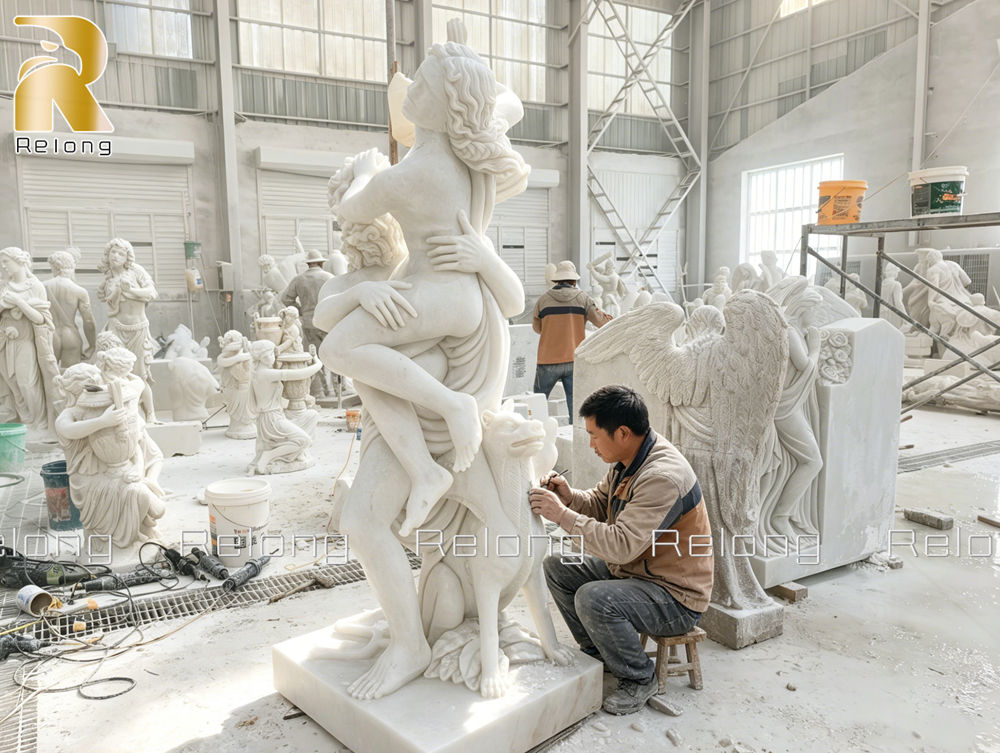
The fine carving stage is difficult to fully appreciate without seeing it in person. This documentary footage shows how skilled sculptors work the stone by hand — the same process our team at Relong follows for every piece.
Smoothing, Sanding, and Polishing
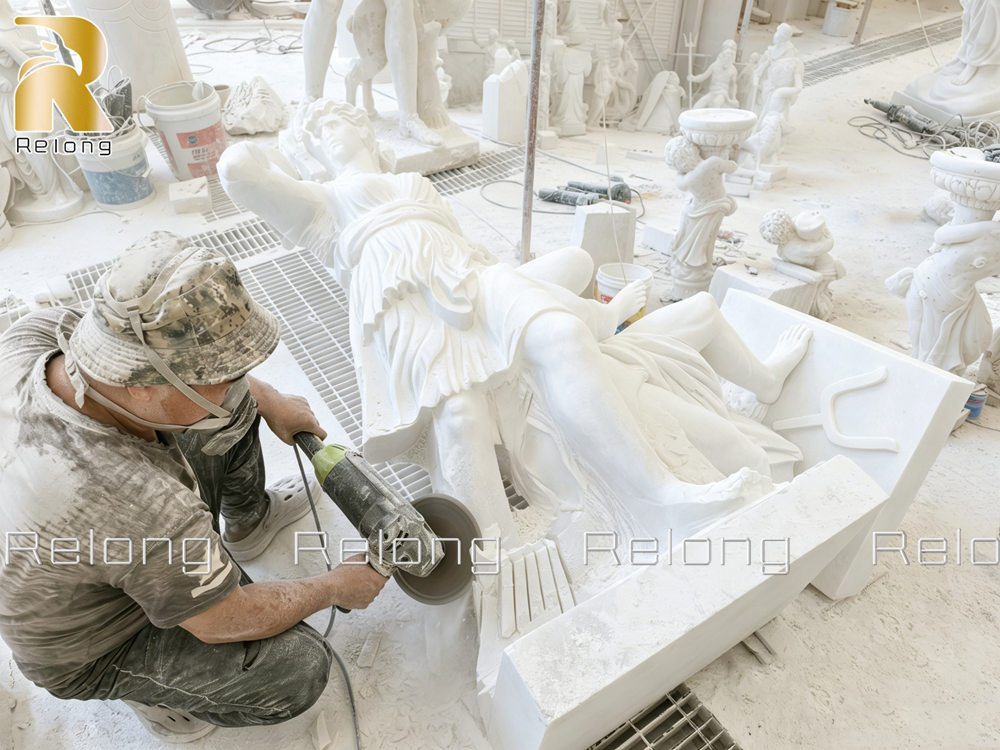
After carving is complete, the sculpture is smoothed and sanded to remove tool marks and achieve the desired finish.
Depending on the design, the final surface may be matte, satin, semi-polished, or highly polished. Most marble figure sculptures are finished with a soft matte or satin surface to create a natural and lifelike appearance.
Surface Protection for Long-Term Durability
After sanding, the sculpture is thoroughly cleaned and dried.
For outdoor installations, a breathable stone sealer may be applied to help reduce water absorption, staining, and weather-related deterioration while preserving the marble’s natural beauty.
Professional Insights from Relong’s Marble Carving Team
Based on our years of marble sculpture production experience, we have found that the following factors have the greatest impact on the quality of a finished sculpture.
Material Selection
Material selection is often the most important step. Hidden cracks, excessive veining, or poor-quality stone can affect both the appearance and durability of the sculpture. This is why every marble block is carefully inspected before carving begins.
Proportion Control
Mistakes made during rough carving are difficult to correct later. Our sculptors carefully verify proportions and measurements before removing large amounts of stone.
Fine Carving
In our experience, the difference between an average sculpture and an exceptional one often lies in the details. Facial expressions, hands, drapery, and textures are what give a sculpture its artistic character.
Surface Finishing
Even a well-carved sculpture can lose its appeal if the finishing is poor. Careful sanding and polishing are essential to achieve a refined appearance.
Marble Protection
For outdoor marble sculptures, proper sealing and maintenance can significantly extend the life of the artwork and help preserve its original beauty.
Hand-Carved vs CNC Marble Sculpture: What’s the Difference?
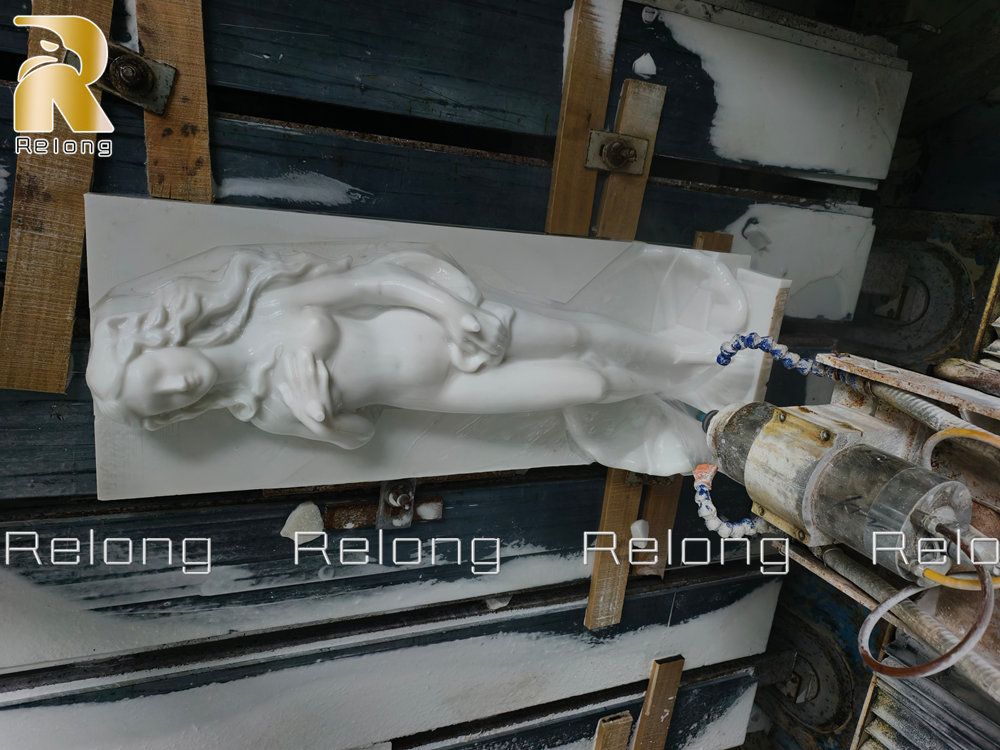
Modern CNC technology can quickly create the basic shape of a marble sculpture, making production more efficient and improving dimensional accuracy.
However, CNC machines cannot fully replace skilled artisans. Important artistic details such as facial expressions, hair texture, fingers, drapery folds, and surface refinement still require hand carving and manual finishing.
At Relong Sculpture, CNC technology is often used during the rough shaping stage, while our experienced artists complete the fine carving and finishing by hand. This combination helps achieve both accuracy and artistic quality in the final sculpture.
FAQs
What Is a Marble Sculpture?
A marble sculpture is an artwork carved from natural marble. Thanks to its beauty, durability, and ability to capture fine details, marble has been used for sculptures for thousands of years. See how marble compares to other sculpture materials.
How Much Does a Marble Statue Cost?
The cost depends on the sculpture’s size, design complexity, material, and craftsmanship. Small marble busts may start around $800, while life-size marble statues typically range from $1,000 to $3,000 or more.
How Long Do Marble Sculptures Last?
With proper care, natural marble sculptures can last for more than 100 years. Many historical marble sculptures have survived for centuries.
What Are the Advantages of Marble Sculptures?
Marble sculptures offer timeless beauty, durability, natural elegance, and excellent detail. Each piece is unique due to the natural characteristics of the stone.
How Long Does It Take to Make a Marble Sculpture?
Most custom marble sculptures require approximately 30–45 days for production, depending on the size and complexity of the project.
Looking for a Custom Marble Sculpture?
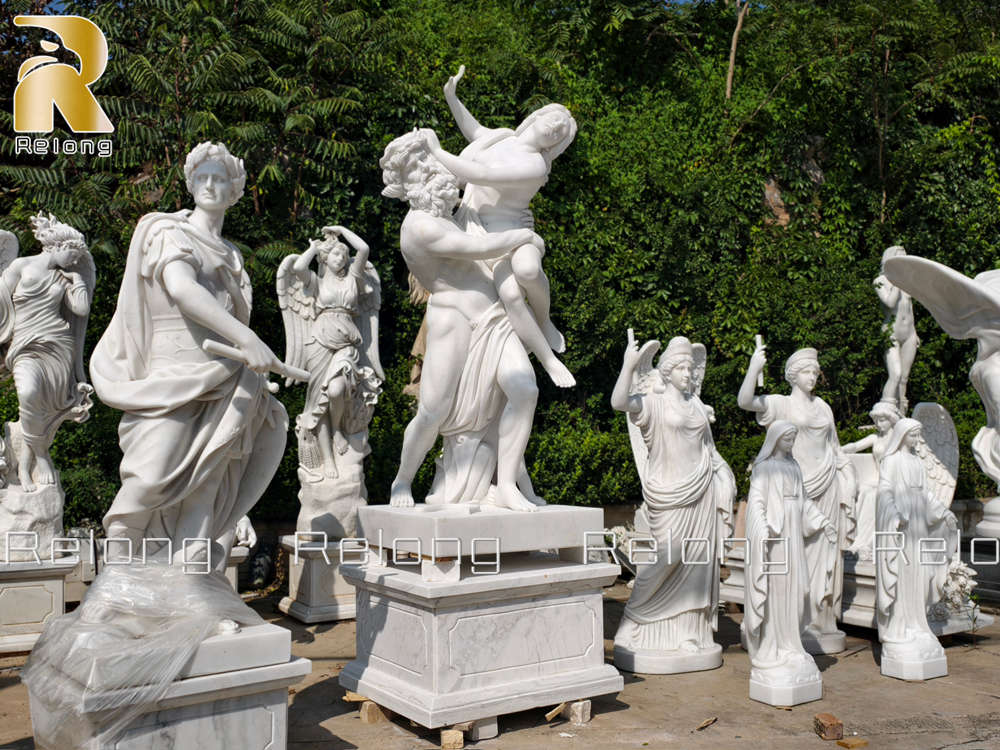
At Relong Sculpture, we specialize in hand-carved marble statues, religious sculptures, animal sculptures, fountains, and architectural decorations. With decades of experience, our artists combine traditional craftsmanship with modern technology to create marble sculptures that are both beautiful and durable.
Contact us today for a free quote and professional project consultation.
Final Thought
Marble sculptures have remained timeless works of art for thousands of years. Understanding how marble sculptures are made can help you better evaluate craftsmanship, identify quality, and choose the right sculpture for your project.
Whether for a garden, a church, a memorial, a public space, or a private collection, a well-crafted marble sculpture can be enjoyed for generations.